If you’re shopping for premium natural stone for kitchen countertops, bathroom vanities, flooring, or luxury interior renovations, you’ve likely come across Taj Mahal quartzite slab. As one of the most sought-after natural quartzite stones on the global market, it serves as a top-tier alternative to traditional marble and granite for modern residential and commercial design projects.
Homeowners, interior designers, and contractors favor Taj Mahal quartzite slabs for their marble-like aesthetics, excellent durability, and low-maintenance performance. This guide covers its core features, key benefits, common applications, maintenance tips, and why it remains a trending luxury stone in 2026.
1. What Is Taj Mahal Quartzite Slab?
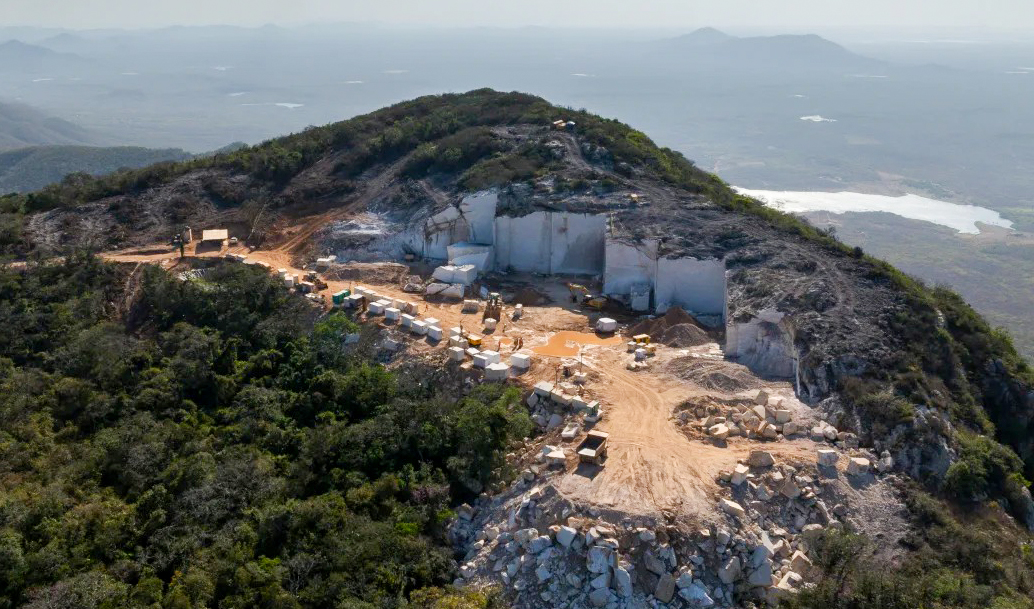
Taj Mahal quartzite slab is a high-grade natural metamorphic stone primarily quarried in Brazil. It is well-known for its elegant creamy ivory base, soft warm beige undertones, and delicate golden and grey natural veining that delivers a luxurious and gentle visual effect.
Formed over millions of years from compressed pure sandstone under extreme underground heat and pressure, this stone has a high quartz content of 90% to 99%. This unique geological composition delivers exceptional structural strength, stable performance, and long-term durability.
Many buyers confuse Taj Mahal quartzite with white marble due to their similar neutral tones and subtle veining, yet the two differ greatly in composition and performance.
Marble is a soft calcium-based stone prone to etching, staining and scratches. In contrast, Taj Mahal quartzite slab is a hard, non-calcareous stone with superior wear resistance. It is named after India’s Taj Mahal, as its soft neutral tones mirror the timeless elegance of the landmark’s marble surfaces.
2. Core Features of Taj Mahal Quartzite Slab
Taj Mahal quartzite slabs are wildly popular for seamlessly combining luxury aesthetics and reliable practicality. Unlike most decorative stones that prioritize either beauty or durability, it excels at both.
It suits high-end decorative designs and high-traffic functional spaces, meeting homeowners’ and designers’ dual demands for beauty and durability in interior renovations.
2.1 Premium Aesthetic Characteristics
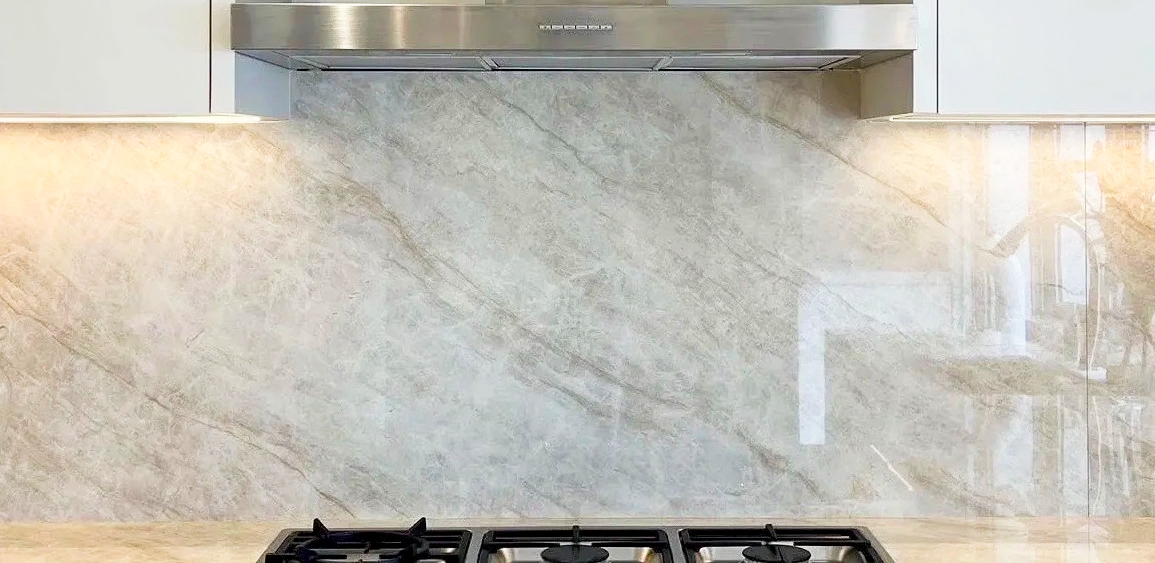
Taj Mahal quartzite features a clean creamy white and warm beige base, paired with soft, flowing gold and light grey veining. Unlike bold, dramatic marble patterns, its organic texture is subtle and understated.
This elegant neutral look matches mainstream styles including warm minimalism, modern contemporary and classic traditional designs, boasting excellent design compatibility.
Each Taj Mahal quartzite slab is uniquely formed by nature. No two slabs share identical veining or color gradients, granting every renovation project exclusive natural charm and high-end texture.
It offers three popular finishes: polished, honed, and leathered. Polished slabs deliver a glossy, premium finish, while honed and leathered options create fingerprint-resistant matte surfaces ideal for modern casual luxury spaces.
2.2 Superior Physical Performance
As a high-purity quartzite material, Taj Mahal quartzite slab outperforms most conventional natural stones in overall durability. It scores 7 on the Mohs hardness scale, which is much harder than marble (3–4 Mohs) and matches the durability of high-quality granite.
This superior hardness resists daily scratches and long-term wear, maintaining intact surfaces even in high-usage scenarios.
Taj Mahal quartzite features stable structure and a low 0.22% water absorption rate, with great heat, acid and stain resistance. Its high density and compressive strength effectively prevent cracking, chipping and surface deterioration.
Taj Mahal quartzite slabs come in standard 2cm and 3cm thicknesses. These universal sizes fit international installation standards for countertops, flooring, wall cladding and other common renovation uses.
3. Common Applications of Taj Mahal Quartzite Slab
Blending versatile aesthetics and sturdy durability, Taj Mahal quartzite slab is widely used in global residential and commercial interiors, especially popular for high-traffic spaces requiring both beauty and wear resistance.
Kitchen Countertops & Kitchen Islands: This is the most popular application of Taj Mahal quartzite slabs. The stone’s superior heat and stain resistance can effectively cope with daily cooking spills, high-temperature pots and long-term friction.
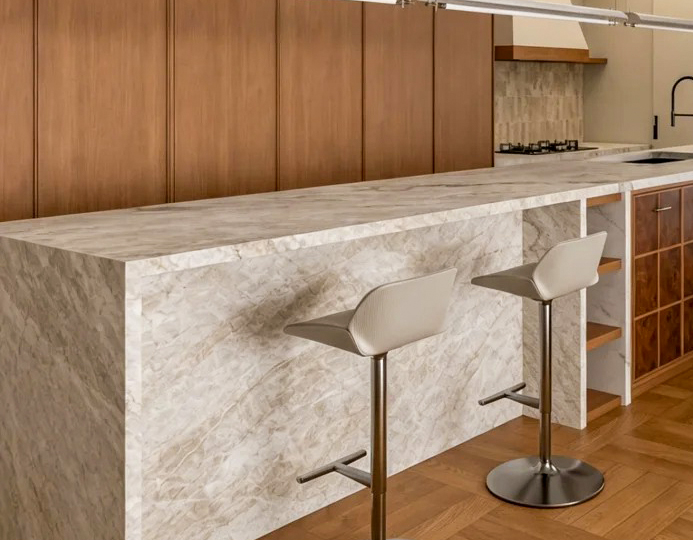
Its elegant neutral tones brighten kitchen spaces, upgrading home texture and creating a warm, luxurious cooking environment.
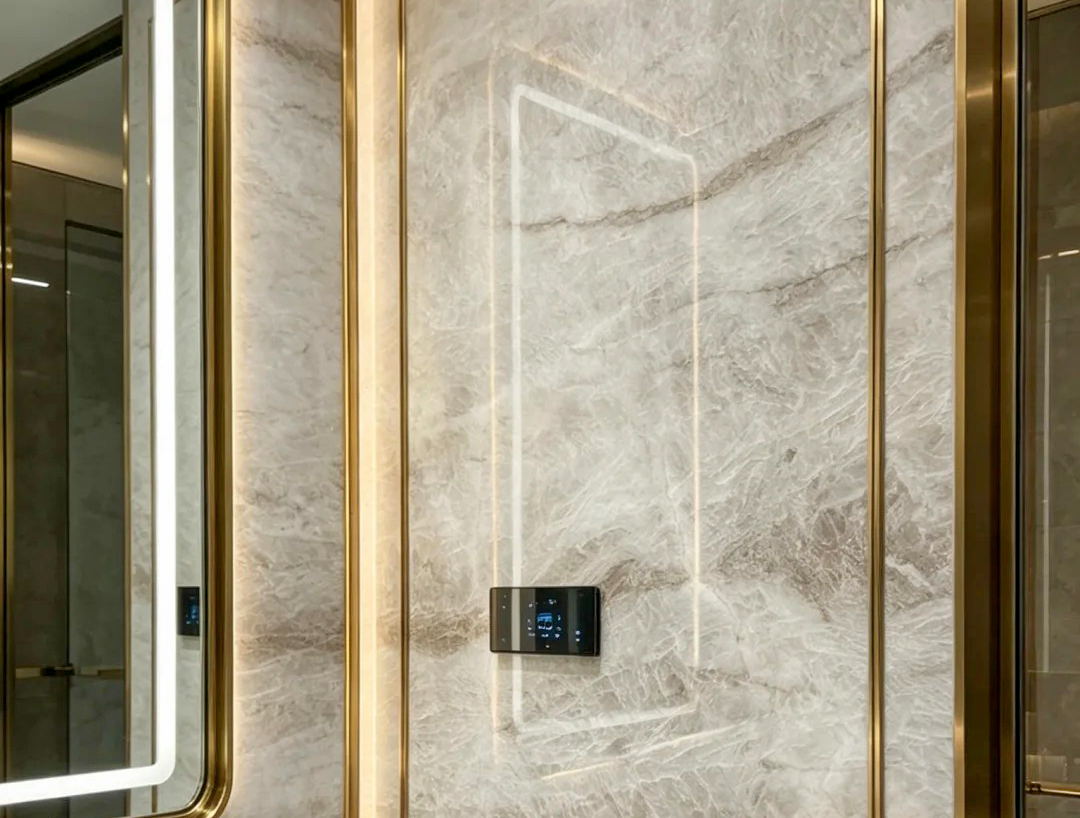
Bathroom Vanities & Shower Wall Cladding: Thanks to its ultra-low water absorption rate, Taj Mahal quartzite slab can block moisture penetration and prevent mold and mildew growth in humid bathroom environments.
Its pure, soft tones create a relaxing spa-like bathroom atmosphere, perfectly balancing aesthetics and practicality.
Ideal for living room, hallway and entryway flooring, high-hardness Taj Mahal quartzite withstands frequent foot traffic, with natural veining adding soft decorative details to spaces.
It also works well for fireplace surrounds and TV accent walls, serving as a natural visual focal point to enrich interior layered design.
It is a top choice for luxury hotel lobbies, office receptions and high-end retail spaces. Taj Mahal quartzite slabs deliver low-key elegant, timeless upscale texture for all premium commercial scenarios.
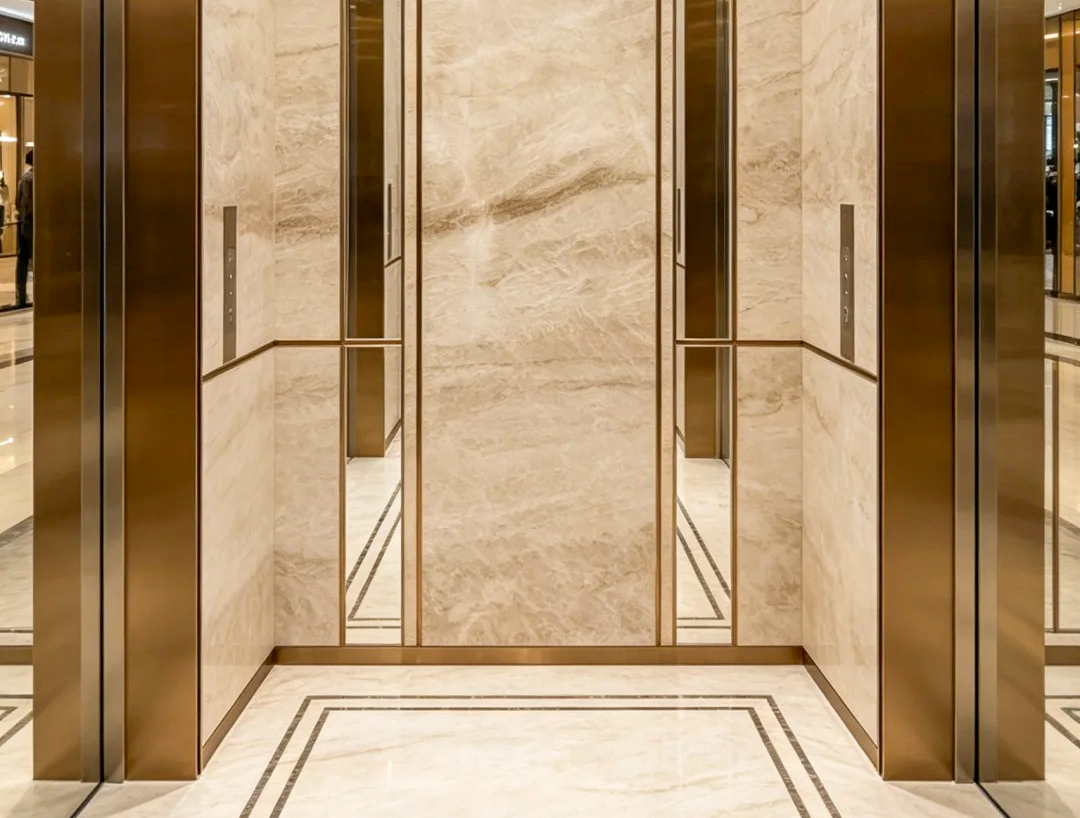
4. Taj Mahal Quartzite Slab vs. Marble & Granite: Key Advantages
Most homeowners and designers chooseTaj Mahal quartzite slab as an upgraded alternative to marble and granite, avoiding the two stones’ common usage flaws while retaining their aesthetic and practical strengths.
4.1 Compare with White Marble
White marble features elegant natural texture but has obvious drawbacks. It easily etches from acidic substances like lemon juice, vinegar and coffee, and suffers scratches and dullness after long-term use.
In contrast, Taj Mahal quartzite is acid and scratch-resistant. It needs no complex frequent maintenance and keeps a brand-new look for decades, offering marble-style luxury with far better durability.
4.2 Compare with Granite
Granite is durable yet features a rough speckled, industrial look that limits its use in light luxury and minimalist designs. Taj Mahal quartzite slab has soft neutral tones and delicate veining, offering higher texture and wider design compatibility.
It flexibly matches modern, Nordic, American classic and other styles, boosts home resale value, and delivers excellent long-term investment benefits.
Taj Mahal quartzite slab is a low-maintenance luxury natural stone. Proper routine care can effectively extend its service life and preserve its natural luster for years.
Seal the slab professionally after installation, and re-seal your Taj Mahal quartzite slab every 1–2 years based on usage to enhance its surface stain resistance and protection.
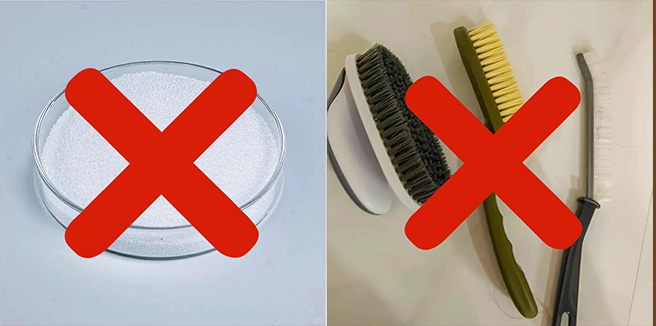
For daily cleaning, use only neutral pH cleaners and soft cloths. Avoid harsh chemicals and abrasive tools that damage the stone surface. Immediately wipe off wine, oil, coffee and other spills to prevent permanent stains, and use trivets for hot cookware to avoid thermal shock.
6. Why Is Taj Mahal Quartzite Slab a Top 2026 Design Trend?
2026 mainstream interior design focuses on warm neutrals, organic textures and practical luxury, and Taj Mahal quartzite slab perfectly fits this trend.
Its warm white and beige tones pair perfectly with wood cabinets, brass or black hardware, and natural rattan materials, creating a warm, upscale and cozy living space.
Whether for full-house renovations or partial upgrades,Taj Mahal quartzite slabs greatly elevate interior grade. Their stable physical properties ensure long-term service value, making them a top pick for high-end home customization.
Final Conclusion
Taj Mahal quartzite slab is a premium Brazilian natural stone that combines timeless beauty and strong practicality. With marble-like aesthetics, granite-level durability and low-maintenance traits, it outperforms traditional marble and granite.
It has become a top luxury decorative stone for modern interiors, widely favored by global designers and homeowners.
Widely used for kitchen countertops, bathroom vanities, indoor flooring and commercial wall cladding, Taj Mahal quartzite slabs deliver premium aesthetics and long-term reliable performance.
If you’re looking for a high-performance, cost-effective and versatile natural stone for your renovation, Taj Mahal quartzite is your ideal option.