



Care and Maintenance for Taj Mahal Natural Stone
2026-05-14 14:19Taj Mahal natural stone is a premium quartzite widely used in modern residential and commercial renovations. Featuring a gorgeous creamy white base and delicate golden veins, it brings a clean, upscale and timeless aesthetic to any interior or exterior space.
Thanks to its excellent heat resistance, scratch resistance and long-lasting durability, Taj Mahal natural stone is a top choice for kitchen countertops, bathroom vanities, indoor flooring and exterior wall cladding. Like all natural quartzite, it has tiny micro-pores on the surface that need regular upkeep.
Without proper care and maintenance for Taj Mahal natural stone, these micro-pores easily trap oil, stains and acidic residues. Over time, this buildup makes the stone look dull, discolored and worn out. This practical guide covers simple cleaning, sealing and stain removal tips to keep your Taj Mahal natural stone looking great for decades.
1. Why Proper Care Is Essential for Taj Mahal Natural Stone
Most homeowners and designers choose Taj Mahal natural stone over traditional marble and granite for good reason. It delivers a high-end look while standing up extremely well to everyday wear and tear, perfect for active households and busy commercial spaces.
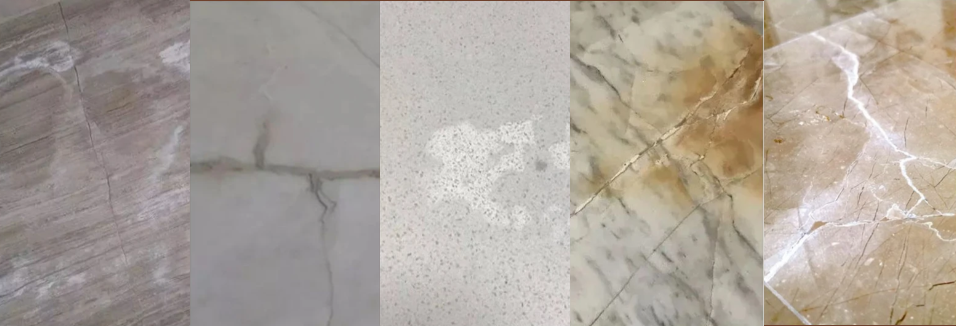
No natural quartzite is completely non-porous. If left unsealed or poorly maintained, Taj Mahal natural stone will slowly absorb dust, liquid spills and corrosive contaminants, leading to irreversible surface damage.
This ongoing buildup creates permanent dark stains, faded shine and rough texture. It ruins the stone’s natural beauty and significantly shortens its overall service life.
With consistentdaily maintenance of Taj Mahal natural stone flooring and countertops, this quartzite can stay glossy and retain its original vein details for 20 to 30 years. Without routine care, Taj Mahal natural stone can yellow, stain and lose its premium appeal in just a short time.
This is why simple, steady maintenance habits are the best way to protect your stone investment and keep indoor and outdoor areas looking clean and polished year-round.
2. Daily Cleaning & Routine Care for Taj Mahal Natural Stone
2.1 Daily Dry Dust Removal
Regular dry cleaning is the easiest way to keep Taj Mahal natural stone surfaces clean and undamaged. It requires no professional tools or expensive products, making it ideal for daily household upkeep.
For best results, use a soft microfiber mop or lint-free cloth to wipe down Taj Mahal natural stone floors and wall cladding daily. This removes loose dust and fine sand before they can cause damage.
Fine sand particles are the biggest cause of subtle surface scratches on Taj Mahal natural stone. Repeated daily friction gradually wears down the polished finish, leaving the stone flat and dull over time.
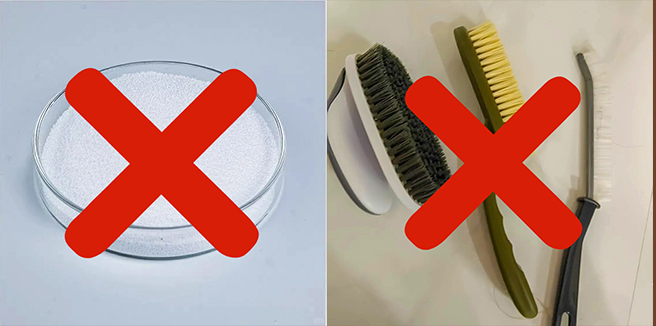
Avoid hard brushes, steel wool and rough scrub pads at all times. These abrasive tools leave tiny permanent scratches that ruin the stone’s smooth, premium finish.
2.2 Correct Cleaning Solutions to Use
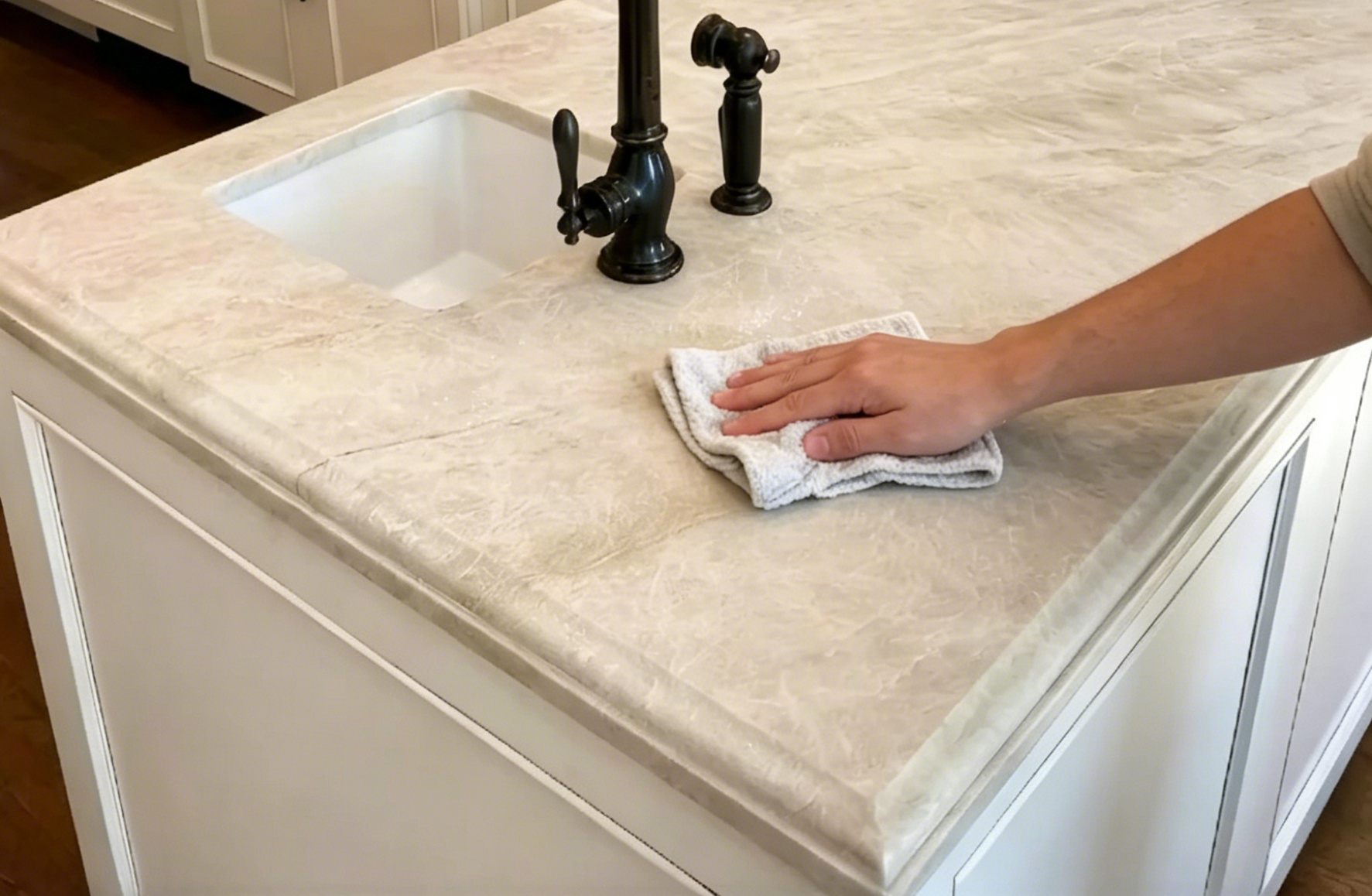
When learning how to clean Taj Mahal natural stone properly, always choose pH-neutral stone-safe cleaners. Acidic and harsh alkaline solutions cause irreversible damage to Taj Mahal quartzite surfaces.
Common household items like vinegar, lemon juice, bleach and heavy-duty detergents eat away at the stone surface and break down protective sealant. This leads to faded patches, dull areas and weaker stain resistance.
For routine light cleaning, dilute mild neutral soap in clean water. Wipe the stone gently and dry it completely with a soft cloth to prevent water spots from forming.
2.3 Instant Spill Cleanup Habits
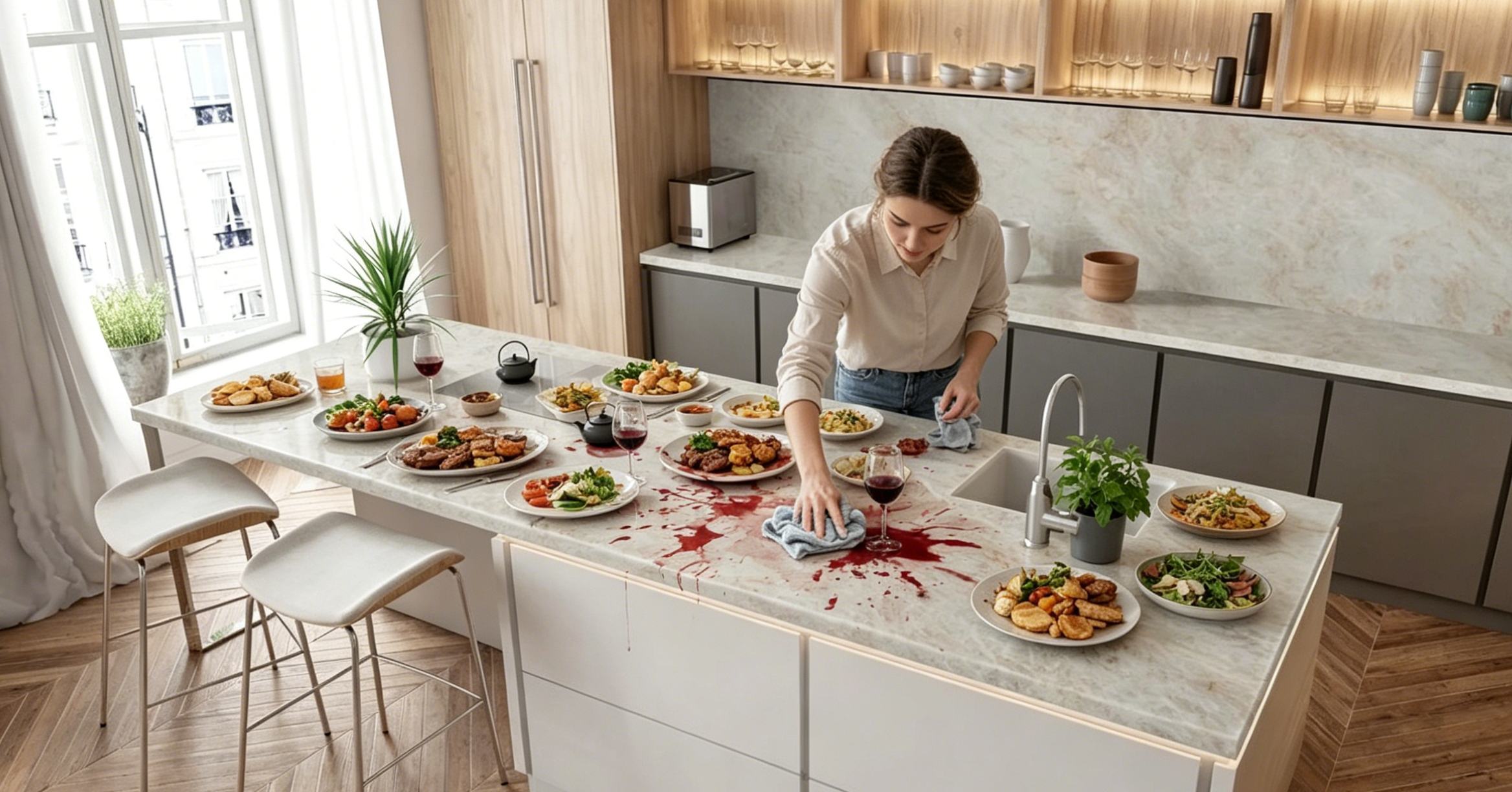
Quick spill cleanup is one of the most important steps to protect Taj Mahal natural stone surfaces from permanent stains. Most foods and drinks contain acidic or oily elements that sink into stone pores within minutes.
Coffee, red wine, fruit juice, cooking oil, sauce and soda are the most common staining agents. Even brief contact can create deep-set stains that are difficult to remove later.
Always blot spills right away with a dry microfiber cloth. Do not leave any liquid on Taj Mahal natural stone for longer than 10 minutes, especially on unsealed surfaces with no protective barrier.
3. Professional Sealing Maintenance Guide
3.1 Importance of Stone Sealing
High-quality penetrating sealers sink deep into the stone’s micro-pores. They block liquid, grease and dirt from getting trapped inside while still allowing the stone to breathe naturally.
This simple treatment preserves the stone’s original luster and texture. It also greatly improves resistance to stains, moisture and outdoor weather-related damage.
3.2 Initial Sealing After Installation
Newly installed Taj Mahal natural stone requires professional sealing immediately after installation. Freshly polished stone surfaces are highly porous and extremely vulnerable to stains and scratches.
Professional installers usually apply two to three even coats of penetrating sealer, covering all flat surfaces, edges and gaps for full, uniform protection.
Initial sealing creates solid foundational protection, preventing new Taj Mahal natural stone from premature yellowing, staining and weathering.
3.3 Resealing Frequency & Water Test
Stone sealers do not last forever. Daily friction, regular cleaning and temperature fluctuations gradually weaken their protection, so understandinghow often to seal Taj Mahal natural stone is key to long-term maintenance.
High-traffic Taj Mahal natural stone countertops in kitchens and bathrooms need resealing every 12 to 18 months. Low-traffic wall stone and flooring only require resealing every 2 to 3 years.
You can easily check your sealer’s effectiveness at home with a simple water test, helping you schedule maintenance accurately.
If water beads up neatly and does not darken the stone after 5 to 10 minutes, your sealer layer is still strong and fully functional.
If water spreads quickly and soaks into the stone, causing immediate darkening, the sealer has worn out, and you should reseal right away.
4. Effective Stain Removal for Taj Mahal Quartzite
4.1 Safe Stain Removal Principle
The poultice method is the safest, most effective solution for stain removal for Taj Mahal quartzite. It gently draws embedded dirt and pigments out of stone pores without scratching or dulling the polished finish.
4.2 Organic Stains (Coffee, Wine, Juice)
Coffee, red wine and fruit juice stains are very common on Taj Mahal natural stone countertops. These organic pigments sink deep into porous stone and set permanently if left untreated.
Mix 12% food-grade hydrogen peroxide with professional stone poultice powder to create a thick paste. Apply it evenly over the stain and cover with plastic wrap to lock in moisture.
Leave the poultice for 24 hours to fully lift embedded pigments. Once completely dry, wipe away residue and clean the spot with a pH-neutral stone cleaner.
4.3 Oil & Grease Stains Removal
Cooking oil, butter and kitchen grease easily seep into Taj Mahal natural stone pores, leaving stubborn yellow stains that regular wiping cannot remove.
You can make a safe, non-toxic poultice using baking soda and clean water. Spread it evenly over oil stains and cover with plastic wrap to seal in moisture.
Let it sit for 24 to 48 hours to fully absorb deep oil residues. Avoid hard scrubbing, which pushes oil further into pores. After cleaning, reseal the local area for fresh protection.
4.4 Hard Water Spots Cleaning
Hard water leaves mineral deposits on smooth Taj Mahal natural stone surfaces, creating hazy white water spots that make the stone look dull and unclean.
Never use acidic limescale removers, as they scratch and erode the stone’s polished finish. Use only a dedicated stone water spot cleaner for gentle, safe results.
Always dry the stone fully after cleaning. This simple habit prevents mineral buildup and stops permanent water marks from developing over time.
5. Indoor & Outdoor Taj Mahal Natural Stone Maintenance
5.1 Indoor Stone Care (Countertops & Vanities)
Always place trivets or heat-resistant pads under hot cookware and heated styling tools. This protects both the sealer layer and stone surface from permanent heat damage.
Use a cutting board during food prep to avoid knife scratches and residue buildup. Clean stone joints regularly to remove mold, mildew and trapped grime.
5.2 Outdoor Stone Care (Flooring & Wall Cladding)
Outdoor Taj Mahal natural stone care demands more attention due to harsh external elements. Outdoor flooring and wall cladding endure strong UV rays, heavy rain, dust accumulation and extreme temperature changes all year long.
Outdoor stone requires more frequent sealing to maintain solid weather resistance. Sweep away dust, leaves and debris regularly to prevent standing water on the stone surface.
Check outdoor stone often during hot and rainy seasons. Perform timely touch-up sealing and minor polishing to avoid UV fading and rainwater erosion.
6. Common Maintenance Mistakes to Avoid
Using acidic or abrasive cleaners: Vinegar, lemon juice, bleach and scouring powder are highly damaging to Taj Mahal natural stone. They gradually erode the surface and break down sealant, causing permanent dullness and corrosion.
Delayed spill cleaning: Leaving food or beverage spills overnight lets stains sink deep into stone pores. These neglected blemishes become stubborn and extremely hard to remove completely.
Overlooking regular resealing: Many homeowners skip scheduled resealing unintentionally. Without fresh sealer protection, Taj Mahal natural stone loses stain resistance and ages far quicker.
Hard friction cleaning: Scrubbing with steel wool or stiff brushes creates tiny scratches across the surface. Over time, these marks strip the polished luster and ruin the stone’s premium texture.
7. Final Summary
Simple, consistent care and maintenance for Taj Mahal natural stone preserves the stone’s original gloss and delicate texture. Sticking to neutral cleaning, instant spill cleanup and routine sealing keeps surfaces pristine.
These basic maintenance habits prevent stains, scratches and fading effectively. They keep Taj Mahal natural stone beautiful and functional for decades, protecting your renovation investment long-term.
Whether used for indoor home renovations or outdoor exterior projects, proper routine care will keep your Taj Mahal natural stone looking brand new throughout the years.
Get the latest price? We'll respond as soon as possible(within 12 hours)