



A Promise Between Sky and Ground: The 400-Year Echo of Airports and Terrazzo
2025-11-18 15:3816th Century: The Birth of Terrazzo
In that romantic and tranquil water town,
craftsmen picked up discarded stone chips,
and with sweat and inspiration,
forged the first piece of terrazzo.
It was an echo from the earth,
and humanity's yearning for beauty and order.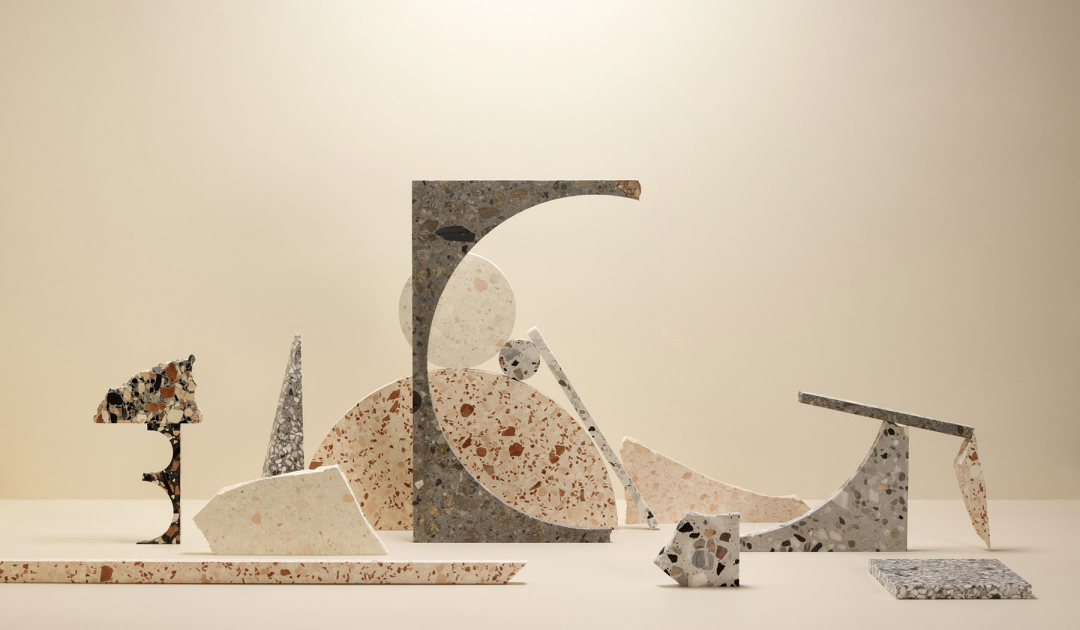
20th Century: Humanity Takes to the Sky
People, with dreams in their hearts,
soared through the clouds on silver iron wings,
and looked down upon the world in a completely new way.
Between sky and earth,
a new way of dialogue began.
400 Years of Companionship
400 Years of Time Like a Song
400 Years of Mutual Support
Terrazzo has accompanied the world,
witnessing the evolution of architecture and the migration of civilizations.
And today,
this 400-year-old promise resonates even more loudly in airports around the world.
I. From Tradition to Innovation: Why Did Airports Choose New Terrazzo?
Terrace, a material originating from traditional handcrafting techniques, continues to innovate amidst the tides of time.
It once lay quietly in palaces, galleries, and churches, witnessing the vicissitudes and elegance of old buildings.
However, in today's era, airports—symbols of the speed and scale of human civilization—are embracing them again.
More and more international aviation hubs are abandoning traditional paving materials such as PVC flooring and patchwork stone, opting instead for new terrazzo (both inorganic and epoxy systems).
This trend is not accidental, but rather the result of a combination of aesthetics, function, and technology.
II. Global Airport Examples: The Grand Stage of Terrazzo
Hamad International Airport: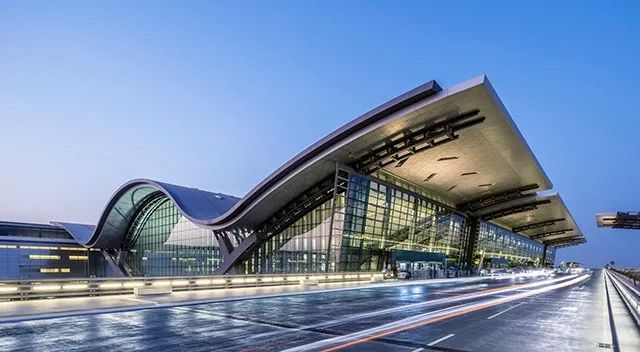
The interplay of metallic light and shadow with large areas of terrazzo flooring, under the light and wind of the Middle East, makes the floor resemble a reflection of the sky, serene yet magnificent.
Chengdu Tianfu International Airport (TFU):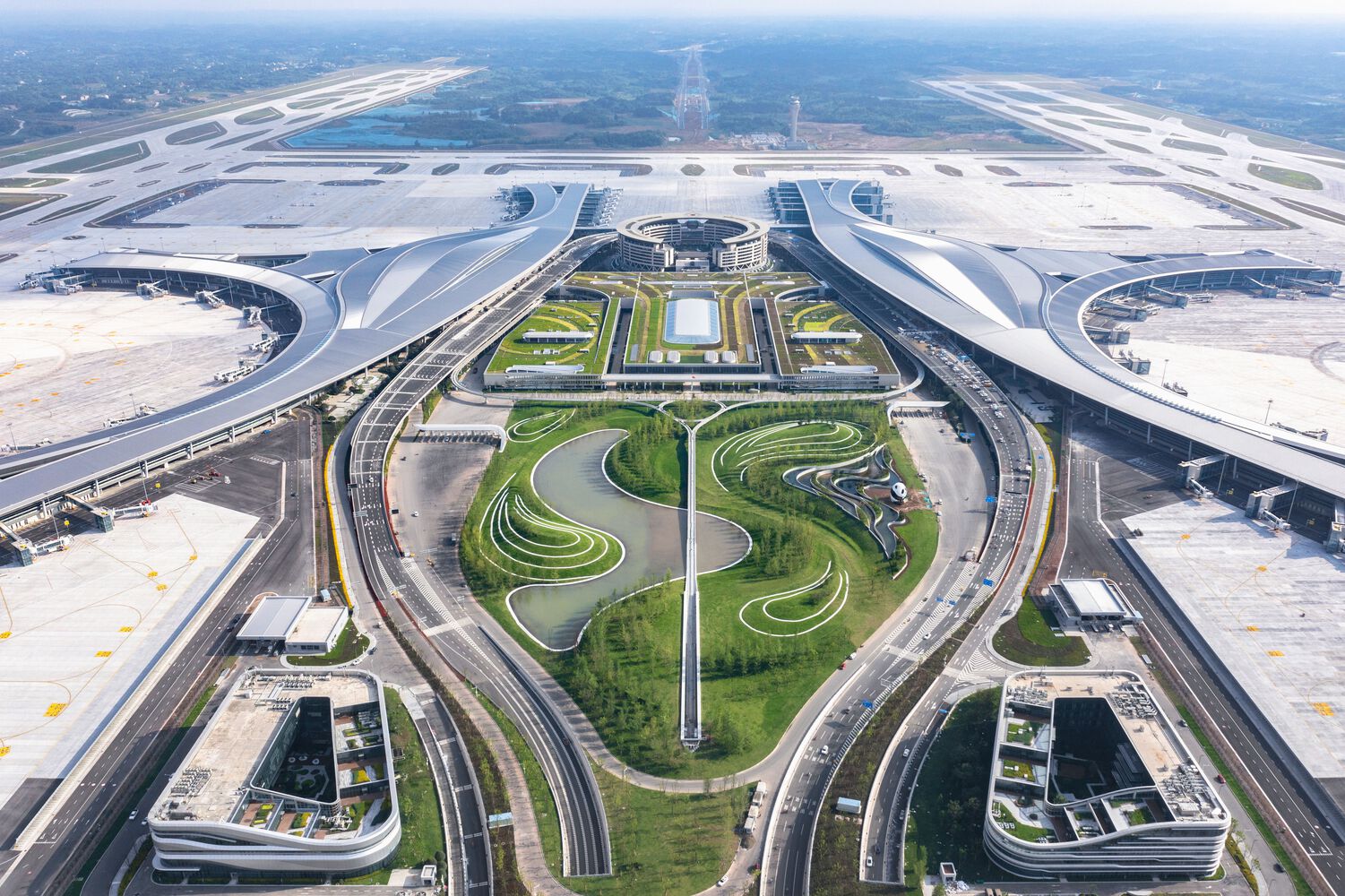 Inspired by the "Sun Bird," the terrazzo flooring incorporates the textures of Sichuan culture into the aggregate, extending from beneath your feet into a cultural prologue to the city.
These airports collectively demonstrate a trend:
new terrazzo is not merely a flooring material, but also part of the architectural narrative.
III. Seamless Design: The Best Solution for High-Traffic Spaces
Airports are giant machines operating 24/7, bearing the brunt of hundreds of thousands of footsteps, luggage wheels, and cleaning equipment daily.
Faced with such challenges, new terrazzo stands out with its superior performance.
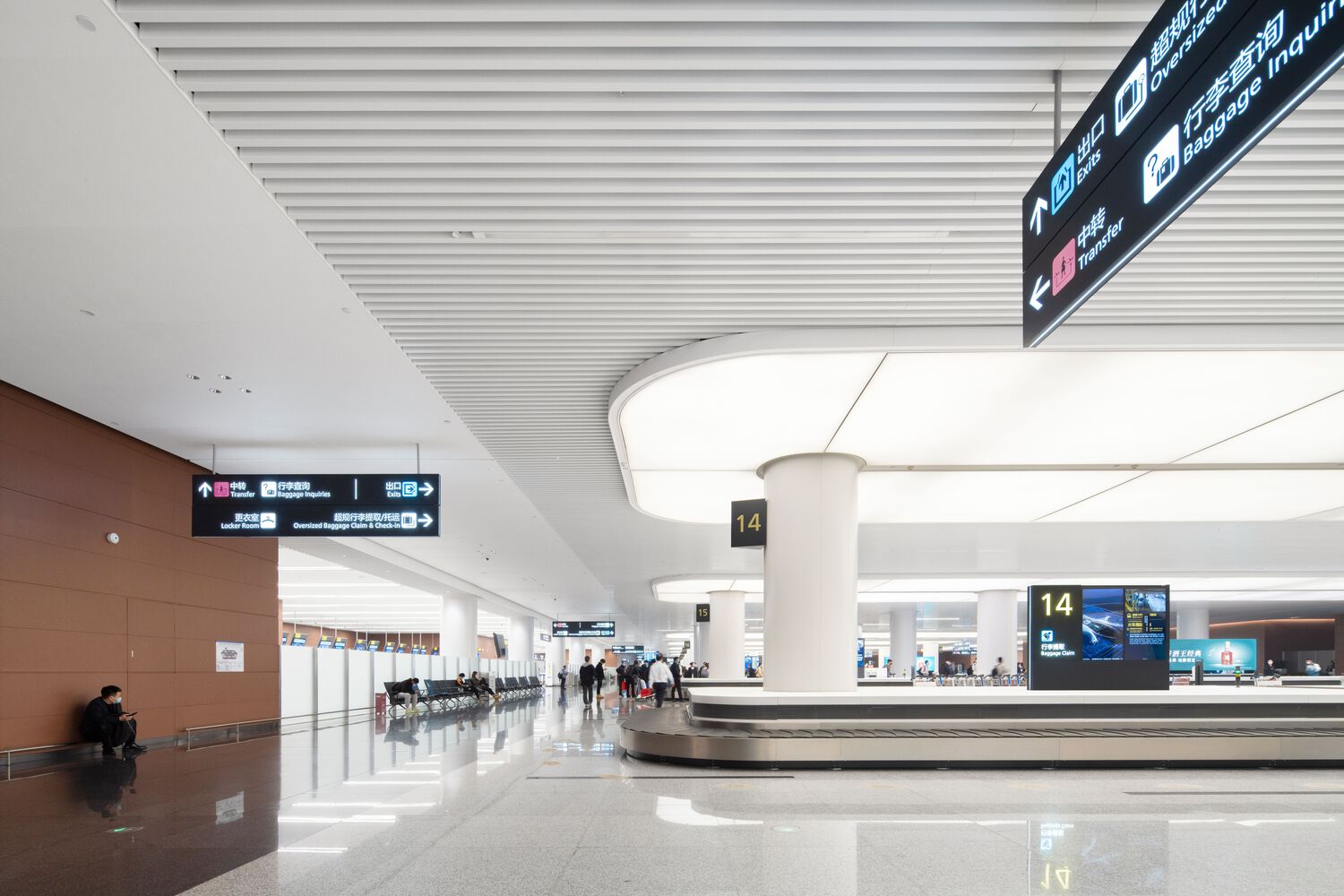
✔ 1. Large-Area Seamless Paving – A Dual Guardian of Hygiene and Safety
Traditional flooring materials have numerous seams, which trap dirt, mold, and blackening, posing a threat in the era of pandemics.
Terrain stone's unique integral casting and mechanical grinding process gives it a virtually seamless finish:
No dirt accumulation
No dust buildup
No staining
More efficient cleaning
In an era of recurring pandemics, this characteristic becomes the airport's "health defense line.
✔ 2. Design Freedom – An Unlimited Canvas for Creativity
The expressive power of new terrazzo far surpasses traditional materials:
Customizable colors
Flexible aggregate shapes
Patterns, floor sculptures, logos, and directional signage can be directly embedded
Large areas of unified color, eliminating any sense of splicing or fragmentation
Whether the airport's theme is culture, technology, nature, or urban spirit,
terrazzo can easily express it.
✔ 3. Architectural Durability – Matching the Airport's Lifespan
The new terrazzo has a lifespan of 40–80 years:
Pressure resistant
Wear resistant
Fire resistant
Slip resistant
Noise reduction
Resistant to cleaning chemicals
It lasts as long as the building structure, requiring almost no large-scale replacement,
far exceeding the long-term operating costs of materials such as ceramic tiles, PVC, and wood.
IV. The Future of Airport Flooring: Technology and Details Are Equally Important
Airport digitalization is accelerating.
In various systems such as intelligent baggage systems, AGV robots, and AVP automated parking,
the "recognition-friendly" nature of flooring materials has become the new standard.
The new type of terrazzo boasts:
uniform reflective effect
stable texture distribution
sufficient hardness
less prone to surface noise
It is easier to be recognized by cameras and laser scanning,
providing stable data input for smart airport operations.
Airport floors are no longer just "laid out,"
but an integral part of intelligent systems.
V. The City’s First Business Card: Terrazzo Carries Cultural Warmth
For every visitor from afar,
the airport is their first encounter with a city.
Whether this first page is written with elegance and cultural power
determines the city's image and stature.
The new type of terrazzo, through rich aggregate and color combinations,
easily integrates into local cultural symbols:
ethnic patterns
urban colors
traditional architectural elements
natural inspiration (lakes, forests, mountains)
When travelers step onto the ground,
they begin a journey within a silent cultural narrative.
VI. A Promise Unchanged for Four Hundred Years
A thousand years of time, composing an ode to terrazzo;
A thousand years of terrazzo, witnessing the stories of time.
From the canals of Venice
to the highway walkways of future airports,
terrazzo transcends time and design trends.
At the intersection of earth and sky—the airport—
terrazzo continues to fulfill its ancient yet modern mission:
Providing safety, conveying culture, expressing aesthetics, supporting technology—
and with its warm luster and resilient texture,
protecting the beginning and end of every journey.