



How to Maintain the Timeless Shine of Terrazzo Floor in High-Traffic Areas
2025-11-17 16:15In airports, shopping malls, subway stations, hospitals, and other large public spaces, Terrazzo flooring is widely favored for its durability, stability, eco-friendliness, and strong customization performance. However, the wear, stains, and scratches caused by high foot traffic also place higher demands on maintaining the floor’s shine.
This guide will comprehensively introduce the daily, periodic, and deep maintenance methods of terrazzo floor maintenance, as well as the professional steps and techniques of terrazzo polishing, ensuring that your commercial terrazzo remains bright and new in high-frequency usage environments.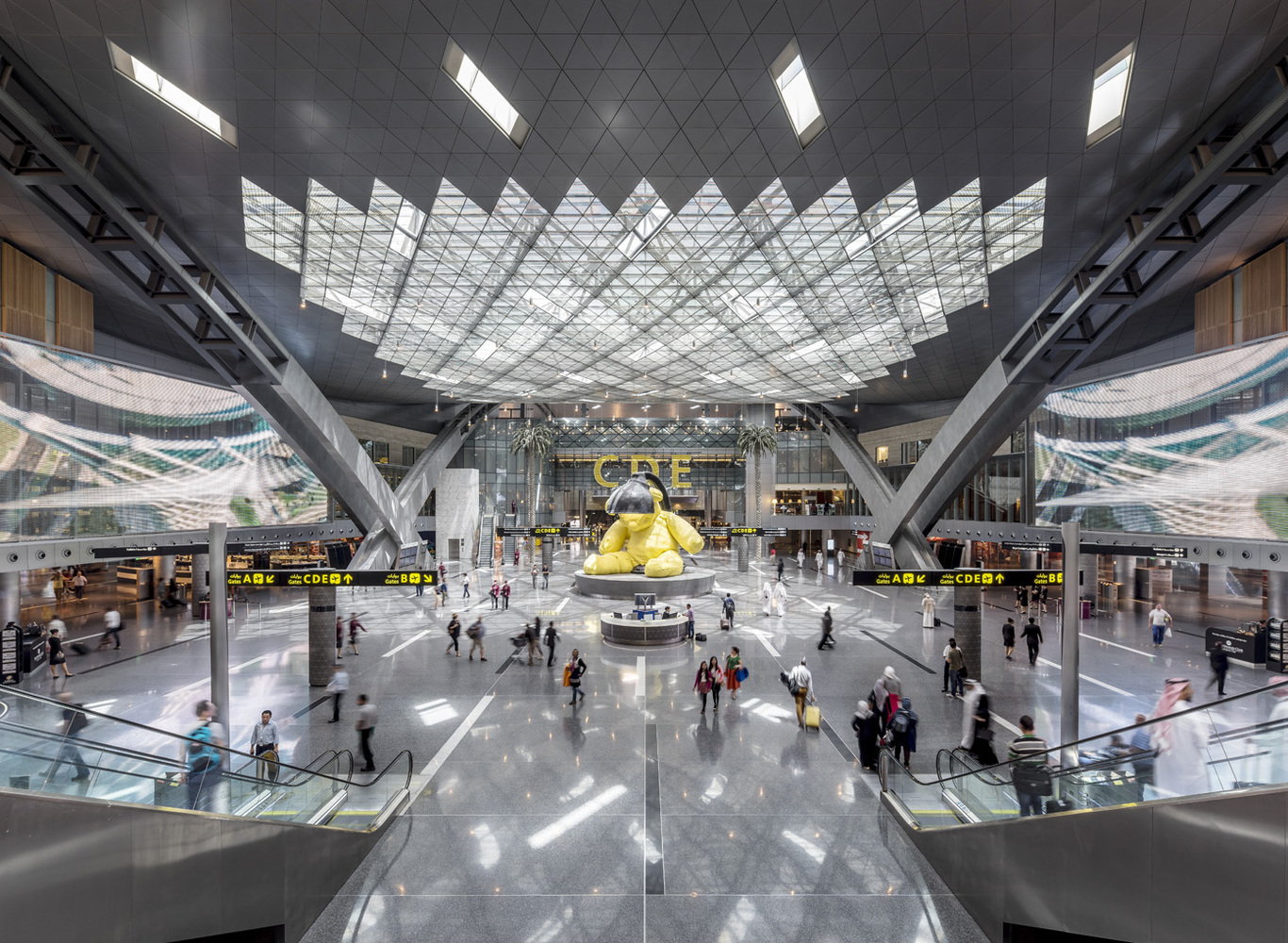
1. Why can terrazzo flooring maintain advantages in high-traffic areas?
Before formulating a maintenance strategy, it is essential to understand the characteristics of terrazzo material:
① Super wear resistance
Terrazzo is made of cement, resin (or epoxy), and marble aggregates, mechanically ground and formed. It naturally has high density and hardness, making it very suitable for airports that operate 24 hours with uninterrupted foot traffic.
② Surface can be repeatedly polished
No matter how long it has been used, terrazzo polishing can restore its original high gloss, which tiles and wooden floors cannot achieve.
③ Strong chemical resistance and stain resistance
Especially epoxy Terrazzo flooring, which has fewer surface pores, making stains less likely to penetrate.
④ Long-term low maintenance cost
Compared to PVC and wooden flooring that requires frequent replacement, terrazzo only needs stable maintenance to maintain a lifespan of 10–40 years or more.
2. Maintenance mindset for terrazzo floors in high-traffic areas
Maintenance in high-traffic areas should follow these core principles:
✔ “Protection first, cleaning second, regular restoration”
Do not wait until the surface becomes dirty to take action—systematic maintenance minimizes floor damage.
✔ Maintain the state of “high density + high gloss + no sand particles”
Sand particles are terrazzo’s biggest enemy, causing micro-scratches and reducing gloss.
✔ Regular professional polishing and grinding
Commercial terrazzo experiences high usage intensity and must be included in a regular polishing plan.
3. Daily Terrazzo Floor Maintenance
The daily maintenance of terrazzo mainly focuses on keeping the wall and floor clean and dry, strictly avoiding contact with acidic substances, pigments, oil stains, etc. If contact occurs, wipe immediately to ensure the material is not polluted or damaged.
Daily cleaning is also very important. Timely dust mopping not only enhances the stone's brightness and lifespan but also significantly prolongs the terrazzo’s service life.
Without timely daily maintenance and dust removal, repeated crystallization and restoration work will be required, which not only wastes investment but also shortens the stone’s lifespan.
To make daily maintenance more specific, the following methods are summarized based on our usual practice:
3.1 Maintenance Methods
Dust and sand left on the stone surface due to foot traffic can greatly damage and dull the stone’s gloss through repeated stepping. It is recommended to perform dust mopping promptly.
Use non-wax static dust removal liquid with clean dust mops for daily maintenance.
Add the static dust removal liquid into a spray bottle, spray it evenly onto the mop head, and allow it to fully absorb for 6–8 hours before use.
Perform dust-mopping operations in an orderly sequence. After traffic passes, promptly remove dust and dirt. Shake off any residues after mopping.
For dirty areas on walls and columns, wipe clean with a dry cloth. Do not use water; you may also spray the static dust removal liquid onto the cloth and use it after 6–8 hours.
3.2 Maintenance Frequency
With normal use and maintenance, use professional equipment to perform crystallization repair regularly to keep the floor glossy and clean.
In high foot traffic areas, perform dust mopping several times a day and crystallization treatment once a month.
In lower-traffic areas, crystallization can be done every two to three months.
❌ Precautions
Do not wipe the stone surface with water, as mixtures of water, dust, and oil are the easiest to corrode the surface, causing dullness.
Do not use wax-based products on the stone surface, as wax is oily, prone to yellowing, and easily attracts dirt.
If oil, tea, ink, etc. spill onto the stone surface, wipe immediately to avoid dust and sand adhesion or penetration into the stone.
Do not allow acidic or alkaline substances such as cleaners, toilet detergents, or soapy water to touch the stone surface, as they can corrode and dull the stone.
Clear surface dust and debris promptly, as dust stepped on repeatedly can scratch and damage the stone.
On rainy days, take waterproofing measures to reduce indoor water intrusion and prevent stone damage. If water marks appear, wipe them dry promptly.
Do not drag items on the floor. Always lift them when moving.
During daily care, if contamination or holes are found, clean and repair immediately.
4. Periodic Terrazzo Polishing (Monthly or Quarterly Maintenance)
5.1 Maintenance Procedure
Required tools: Crystallization machine, 5100# red pad, 4100# white pad, K2, K3, steel wool 0–1#, dust mop, spray bottle.
Use a crystallization machine with a white pad and 0–1# steel wool. Spray 1–3 grams of K2 over one square meter and polish. As steel wool absorbs material, increase the spray amount initially to 3–5 grams per square meter.
Move the crystallization machine onto the sprayed K2 area and distribute it evenly. Move slowly left and right, letting the chemical react and dry. Polish two to three times until satisfied (clean or replace steel wool periodically).
Move the crystallization machine onto the sprayed K3 area and repeat the same polishing procedure.
Repeat the procedure with K2 again as required.
Finally, use a clean dust mop with oil to remove all remaining powder.
5.2 Precautions
Shake the product if sediment is present before use.
Do not leave steel wool on the ground for long periods to avoid marking the floor.
Use sufficient chemical—work on 1–2 square meters at a time.
Remove any remaining steel wool debris from the floor.
Do not polish when the floor is wet.
Dust mop and dust mop oil instructions: Spray an appropriate amount of dust mop oil onto a dry mop cloth, seal it in a plastic bag for 5–12 hours before use.
For daily cleaning, use neutral cleaners. Do not use strong acidic or alkaline cleaners.
Summary: How can commercial terrazzo maintain “eternal shine”?
Through proper terrazzo floor maintenance strategies, periodic terrazzo polishing, regular inspections by professional maintenance teams, and scientific cleaning frequency, commercial terrazzo can maintain long-lasting gloss, excellent cleanliness, and refined texture even in high-traffic areas.
The greatest advantage of terrazzo is that it can “become shinier with use and more beautiful with polishing.”
With proper maintenance, Terrazzo flooring can last up to 40 years or more, achieving the perfect combination of cost efficiency, sustainability, and premium aesthetics.