



How Terrazzo Works | DongxingStones
2025-09-25 15:07This versatile material is crafted from chips of marble, quartz, and other stones. These chips are set in a cement or epoxy binder, then polished to a smooth finish.
In this guide, we'll explore how
What Is Terrazzo ?
The word "
Key features of
Durable and long-lasting
Available in a variety of colors and patterns
Suitable for floors, countertops, and walls
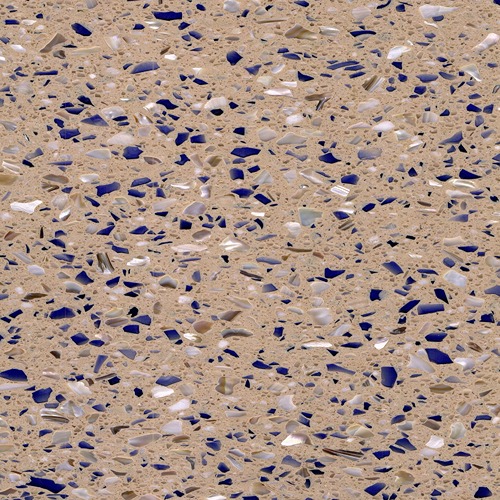
This material's inherent strength and beauty make it suitable for both residential and commercial environments. Whether you prefer subtle elegance or vibrant designs,
The History and Evolution of Terrazzo
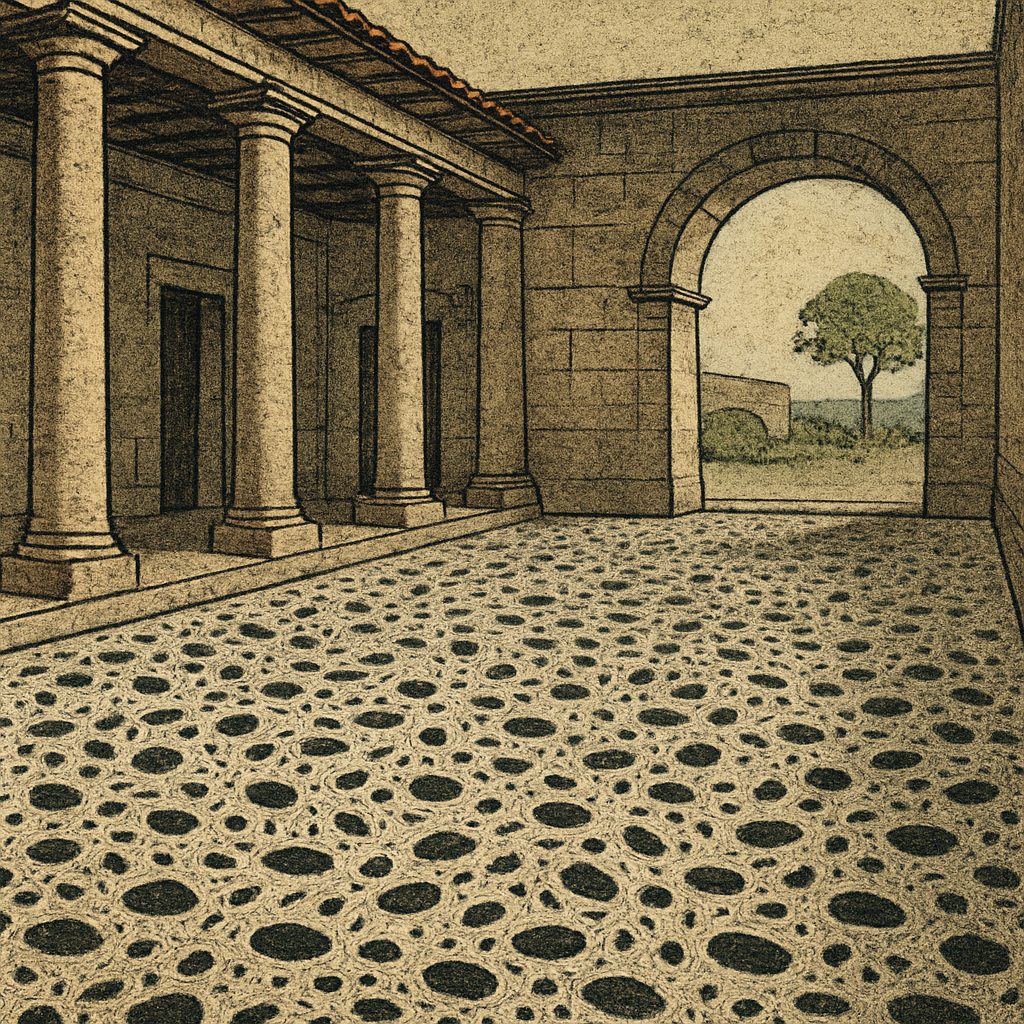
Venetian mosaic workers pioneered
Today, technological advances have refined the material. The introduction of epoxy binders has expanded design possibilities, increasing durability and flexibility. Its journey from ancient to contemporary floors showcases its timeless appeal and adaptability.
Types of Terrazzo Flooring
Cement-based
Epoxy
Rustic
Cement-based
Terrazzo : Traditional, durableEpoxy
Terrazzo : Light, colorful, flexibleRustic
Terrazzo : Textured, non-slip for outdoor use
Choosing the right type depends on the specific requirements of your project. Consider where the

How Terrazzo Is Made: Materials and Process
The mix is poured onto a prepared subfloor. This can be concrete or plywood. Once poured, the material is leveled for uniform thickness across the floor.
Curing is the next critical phase. For cement
After curing, the surface is ground to reveal the chips. This process smoothens and polishes the
Finally, the floor is sealed to protect against stains and moisture. The sealant enhances durability. Some prefer a matte finish, while others opt for high gloss.
Materials: Marble, quartz, granite, or glass chips
Binder options: Cement or epoxy
Process steps: Mixing, pouring, curing, grinding, polishing, sealing
Careful selection of materials and attention to detail ensure a unique and lasting
Terrazzo Installation: Step-by-Step
Installing terrazzo flooring requires precision and skill. Initial preparation includes cleaning and priming the subfloor to ensure good adhesion. This foundational step is crucial for the longevity of the terrazzo.
The next stage involves setting up divider strips. These strips outline sections and prevent cracking. They also help create intricate patterns and designs, enhancing the floor's visual appeal.
Pouring the terrazzo mixture follows. The mix should be applied evenly across the sections. This step requires expert handling to ensure a smooth, consistent surface throughout.
After pouring, the floor is left to cure. The curing time depends on the binder used—cement cures more slowly than epoxy. Monitoring and maintaining the correct environmental conditions during this process is crucial.
Once cured, grinding and polishing take place. These steps reveal the terrazzo's vibrant colors and patterns. The polished surface is then sealed to provide protection and shine.
Installation Steps:
Subfloor preparation
Divider strip installation
Pouring terrazzo mixture
Curing the floor
Grinding, polishing, and sealing
Terrazzo Colors, Patterns, and Design Options
Terrazzo offers an unmatched range of colors and patterns. The variety is achieved by selecting different sizes and colors of chips. This allows for endless customization possibilities.
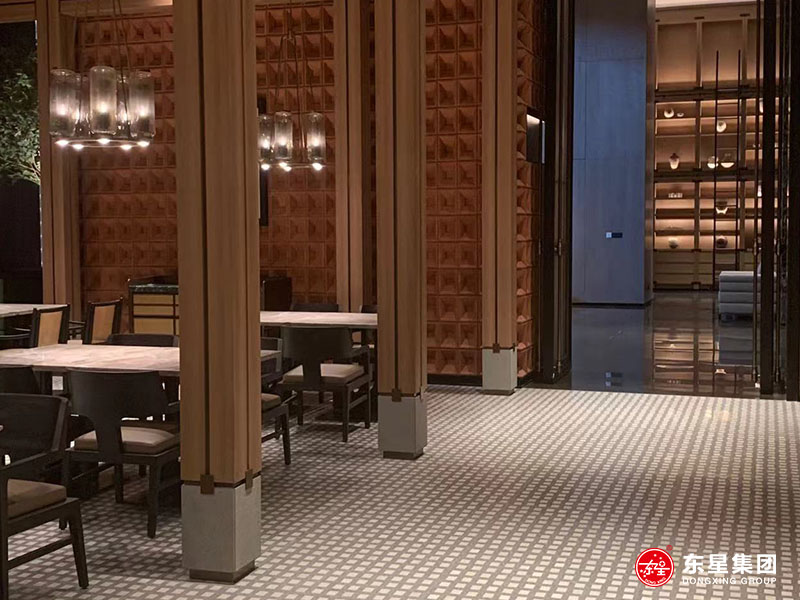
Design options range from simple, elegant appearances to complex, artistic displays. You can create geometric shapes, abstract designs, or even logos. This flexibility makes terrazzo a versatile choice for many settings.
Choices for terrazzo colors are vast. You can select from vibrant hues or subtle earth tones. Mixing colors can produce a unique, personalized appearance that complements any décor.
Patterns can be as varied as the colors themselves. Terrazzo can mimic natural stone or create something entirely new. This makes it an ideal choice for those seeking a signature style.
Color and Pattern Options:
Monochrome or multi-colored chip mixtures
Geometric or abstract patterns
Custom logos and designs
Terrazzo Countertops and Other Applications
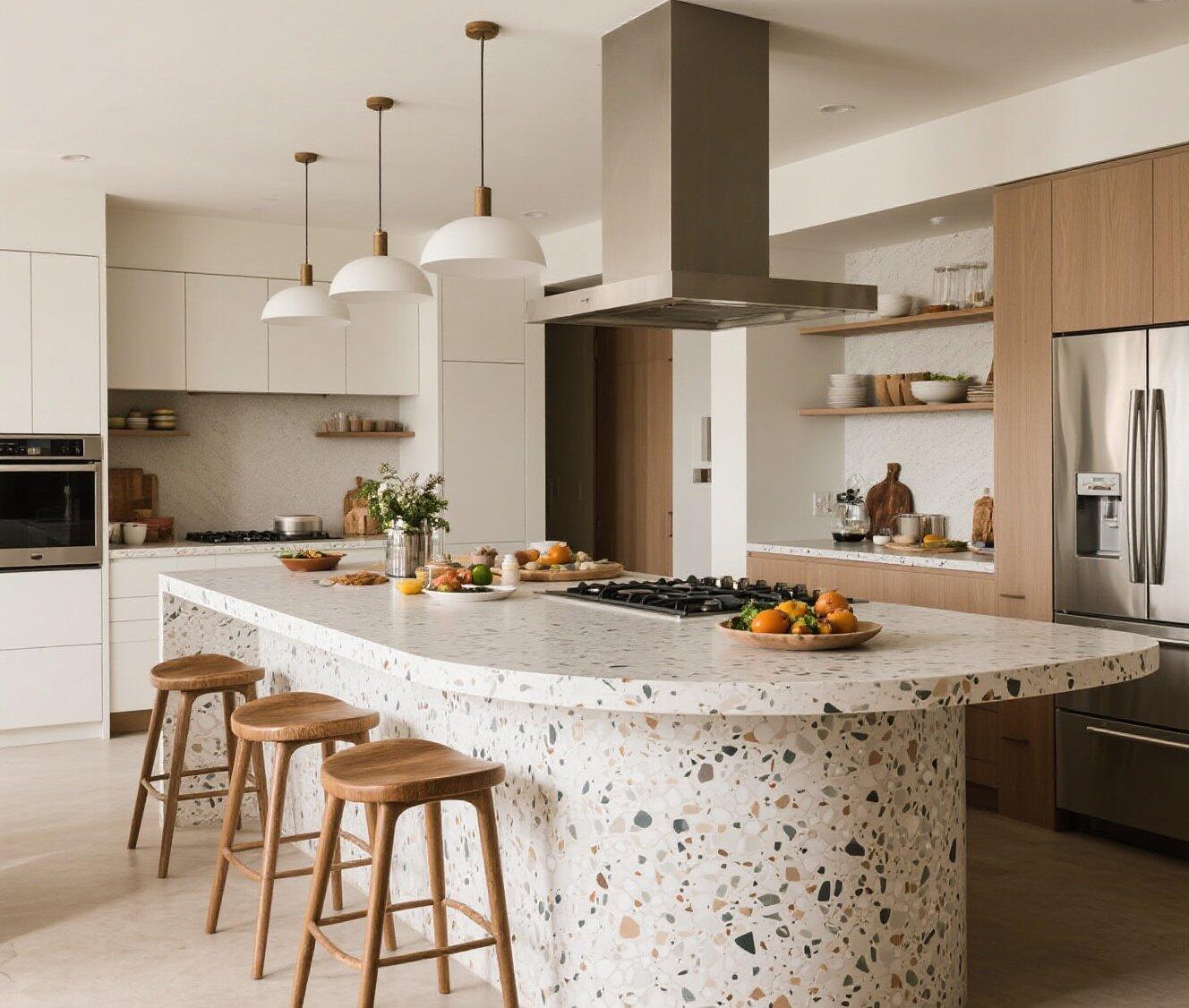
Terrazzo is not limited to flooring. Its durability and aesthetic appeal make it a great choice for countertops. Terrazzo countertops offer a unique and stylish look while providing a tough, low-maintenance surface.
Beyond countertops, terrazzo can be used for various applications. Walls, staircases, and even outdoor spaces can benefit from terrazzo's versatility. Its ability to withstand different conditions makes it suitable for numerous settings.
Whether you're designing a modern kitchen or updating a commercial space, terrazzo can fit your needs. Its seamless appearance and vast array of customization options make it ideal for any design vision.
Other Applications:
Staircases
Walls
Outdoor patios
Benefits of Terrazzo Flooring
Terrazzo flooring stands out for its impressive durability. It can last for decades, making it a smart investment for any space. This longevity, combined with its elegant appearance, makes terrazzo a popular choice.
Another advantage is its eco-friendliness. Terrazzo often incorporates recycled materials, reducing its environmental footprint. Plus, it's hypoallergenic, ensuring that it doesn't harbor allergens or dust mites.
The surface is easy to maintain as well. Its resistance to scratches and stains makes it ideal for high-traffic areas. Regular cleaning with a damp mop is typically all it takes to keep it looking pristine.
Key Benefits:
Long-lasting and durable
Eco-friendly with recycled content
Low maintenance and hypoallergenic
Maintenance and Care for Terrazzo
Taking care of terrazzo is simple yet crucial for maintaining its beauty. Regular cleaning helps keep the surface looking fresh and new. A mild detergent and a damp mop are all you need.
Occasional resealing is recommended to protect the surface from stains and scratches. This step helps preserve the terrazzo's luster over time. If you notice any surface imperfections, professional polishing can restore its shine.
To ensure longevity, avoid using harsh chemicals. These can damage the binder and dull the surface. Sticking to gentle cleaners will extend the life of your terrazzo.
Maintenance Tips:
Use a damp mop with mild detergent
Reseal occasionally for protection
Avoid harsh chemicals
Cost Considerations and Value
Terrazzo flooring might have a higher initial cost than other options, but its longevity offsets this over time. Its durability means fewer replacements, adding value to your property.
It's essential to consider the design's complexity when budgeting for terrazzo. Intricate designs and rare materials can increase costs, while simpler installations tend to be more budget-friendly.
Key Cost Factors:
Initial installation expenses
Design complexity and materials
Long-term value and durability
Is Terrazzo Right for You?
Deciding if terrazzo is the ideal choice depends on your specific needs. Consider its durability, design flexibility, and maintenance requirements when making your decision.
This flooring works well in various settings, but it's best to assess several factors before choosing.
Considerations:
Desired design and customization options
Installation budget and timeline
Maintenance preferences and long-term value
Conclusion
Terrazzo flooring combines durability, beauty, and versatility, making it a top choice for many spaces. Its ability to withstand heavy use while maintaining its polished look is unmatched.
Whether for a modern home or a busy commercial hub, terrazzo delivers both function and style. Consider your needs, design vision, and maintenance preferences when choosing terrazzo. It's a timeless investment that enhances any space with charm and functionality.